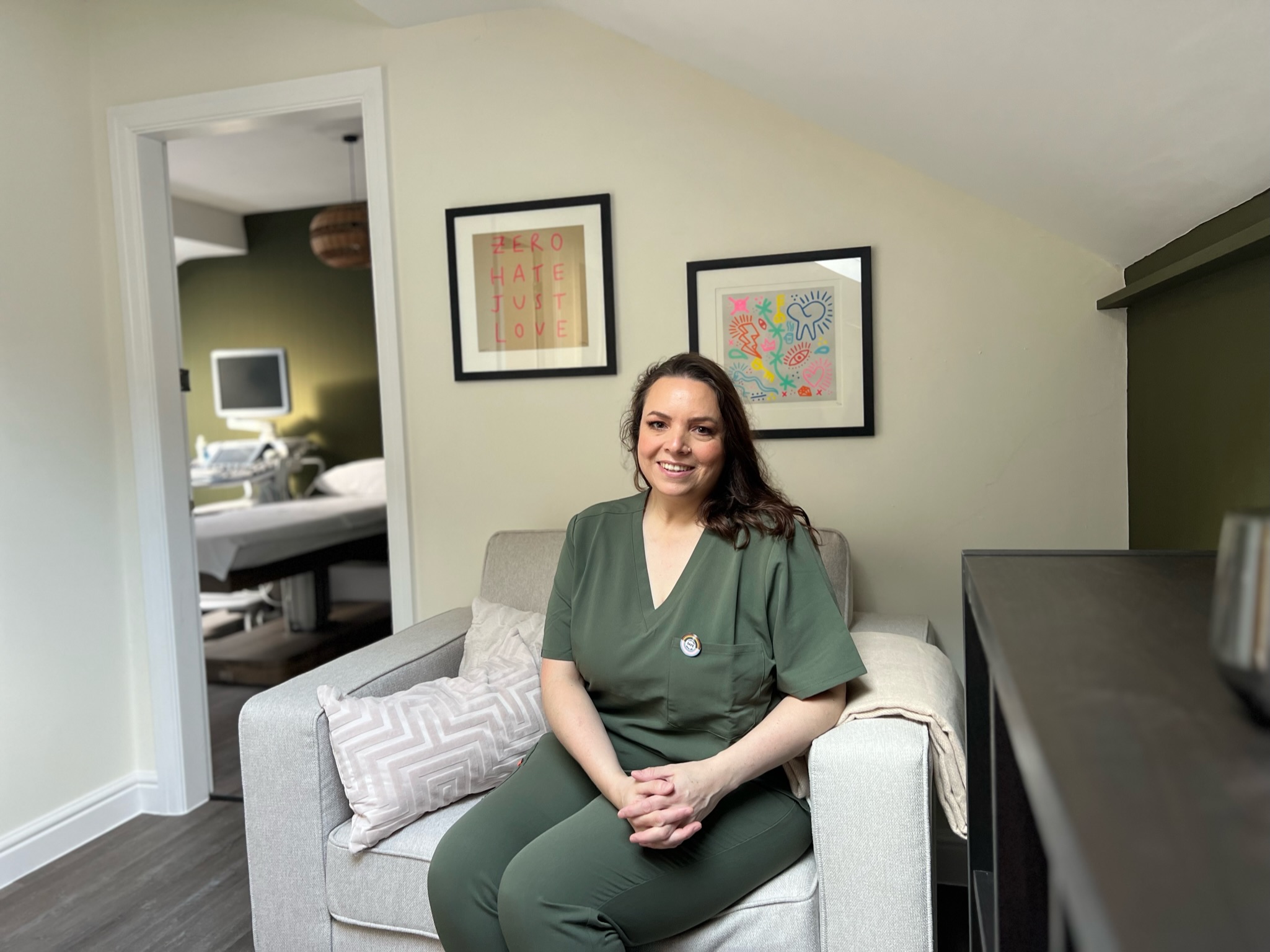
As a midwife, I have become increasingly aware that while no two pregnancies are ever the same, maternity care can still unintentionally assume that every woman will experience pregnancy in broadly the same way. For many autistic and ADHD women, simply accessing maternity services can become one of the most overwhelming parts of pregnancy, leaving them feeling anxious, misunderstood or unsupported at a time when they most need reassurance.
Pregnancy brings enormous physical and emotional change for every woman, but for someone who relies on routine, predictability or carefully developed coping strategies, those changes can feel particularly intense. Hormonal fluctuations, disrupted sleep, uncertainty about what lies ahead and heightened sensory experiences can all have a significant impact on mental wellbeing, leaving some women feeling anxious, exhausted or overwhelmed at a time when they expected to feel excited.
Throughout my career, first as an NHS midwife and now leading midwifery services at Cocoon Healthcare, I have cared for women who apologised for asking too many questions, became distressed when appointments changed unexpectedly or left feeling frustrated because they had forgotten everything they wanted to say. I have supported women who stopped attending antenatal classes because the busy environment, unfamiliar faces and sensory overload simply became too much, while others felt embarrassed after missing appointments because executive functioning difficulties made remembering dates and organising daily life far harder than people around them realised. These women were not failing to engage with maternity care, more often they were trying incredibly hard to fit into services that had never really considered how differently neurodivergent women might experience them.
What strikes me most is how often those struggles remain hidden, many women have spent years masking anxiety, pushing through sensory overload and adapting themselves to environments that do not meet their needs. Pregnancy does not suddenly remove those habits, if anything it can make women work even harder to appear calm and coping, while privately feeling frightened and emotionally overwhelmed.
The encouraging reality is that supporting neurodivergent women does not always require major reform. Often it is the smaller, more thoughtful adjustments that make the greatest difference, whether that is allowing more time during appointments, explaining procedures before they happen, providing appointment reminders, offering quieter clinic environments where possible, improving continuity of care or simply creating an environment where women feel comfortable saying they are finding pregnancy harder than they expected without fear of judgement.
Personalised care should never be limited to physical health alone, it should also recognise how women think, process information, communicate and experience the world around them, because those differences shape pregnancy just as much as any physical symptom ever could. Every woman deserves to feel listened to and emotionally safe throughout pregnancy, and when we stop expecting women to adapt to maternity services and instead begin adapting our care to the women in front of us, we create better experiences not only for neurodivergent women, but for every expectant family.
Kate Mortimer is Lead Midwife at Cocoon Healthcare, a Yorkshire-based pregnancy and women’s wellbeing clinic. For more information, visit www.Cocoon-Hgt.com